This project was my second-ever underwater visualization, and it became a great opportunity to challenge my technical and creative skills. I wanted to create something that didn’t just look good but also had a real-world use. So, I reached out to Deep Trekker Inc., whose DTG3 Mini ROV instantly caught my eye. Their compact underwater drone had such a distinctive design that I felt it deserved a proper 3D showcase.
Getting the details right
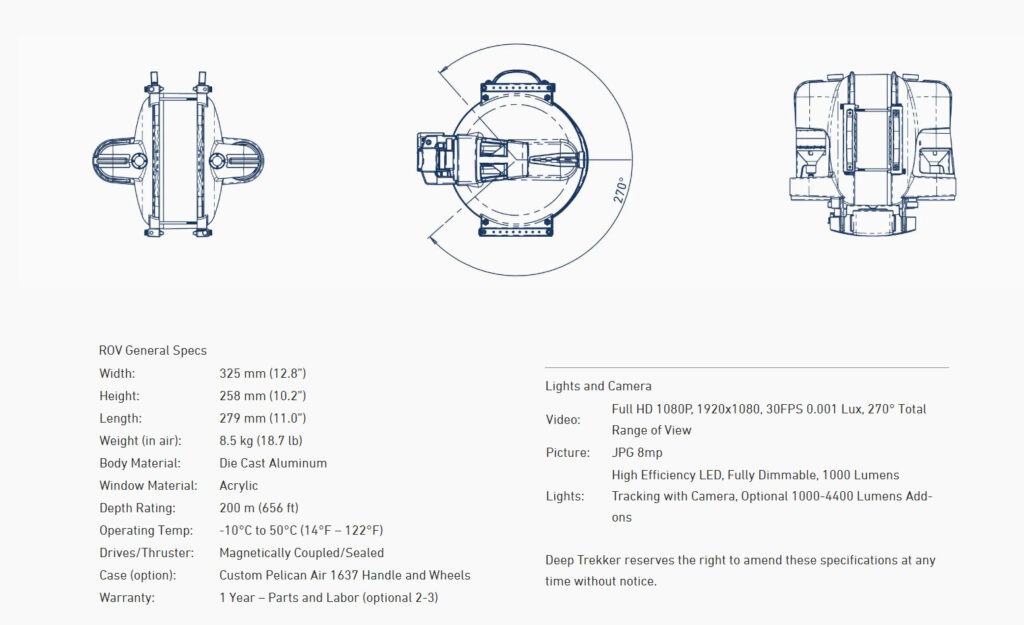
Since this was a visualization of actual equipment, precision was crucial. I gathered as many reference measurements and photos as possible to ensure the 3D model matched the engineering accuracy of the real DTG3. Every curve, thruster, and joint needed to feel authentic—not only to look believable but to properly represent the product’s functionality.
Simulating an Underwater Environment
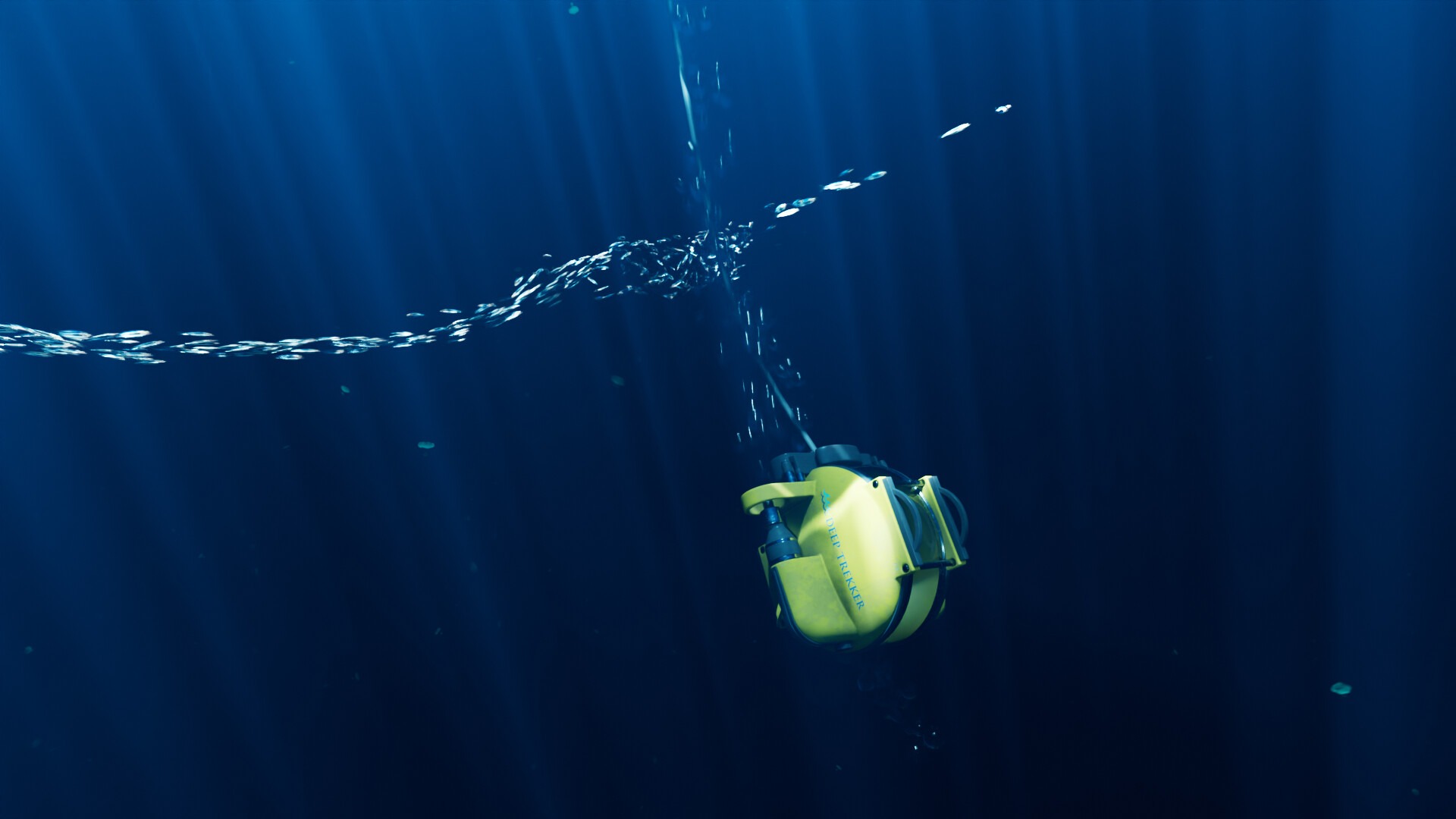
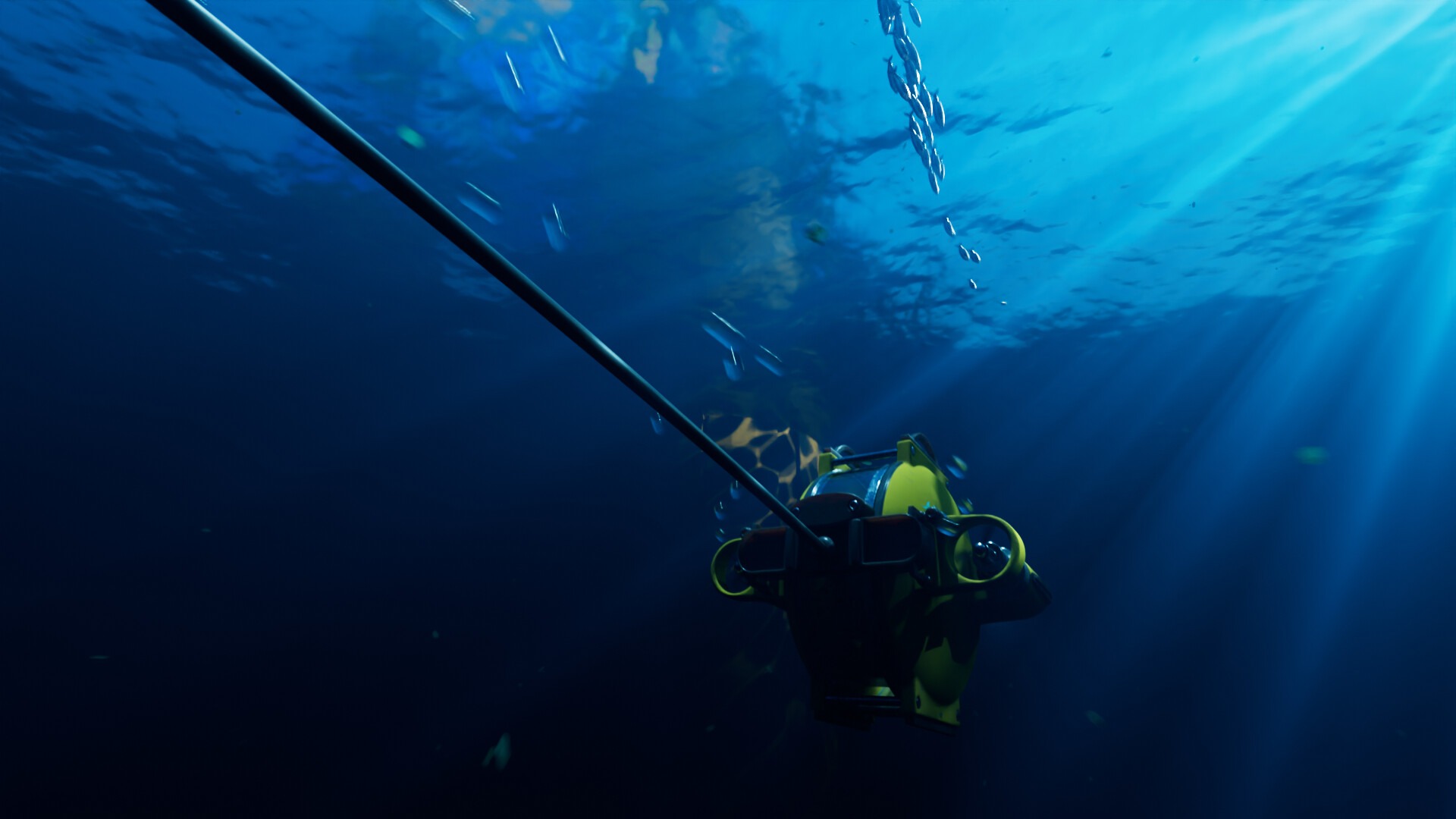
Building the scene was all about atmosphere. I experimented heavily with water shaders, caustics, and volumetric lighting to capture the feeling of depth and movement. Adding schools of fish, drifting particles, and subtle bubble trails brought the environment to life. These small simulations made the drone feel like it truly belonged beneath the surface rather than just being placed into a 3D ocean.
Final Touches
The final composition aimed to balance realism with clarity—highlighting the design of the ROV while keeping the environment immersive but not distracting. This project not only deepened my understanding of fluid simulations and underwater lighting but also showed me how realistic visuals can strengthen brand communication for advanced tech products.